Get Termite Inspection Service
Termite Inspection Service helps property owners identify and address termite infestations to protect structures during repairs, renovations, or new construction projects.
If you’re a property owner in the area considering the health and integrity of your building, a professional termite inspection can be an essential step. Detecting termite activity early can help prevent extensive damage and costly repairs down the line. Whether you're planning a renovation, preparing to sell, or simply want to ensure your property remains in top condition, local contractors specializing in termite inspections are available to assist with thorough assessments tailored to your needs.
Exploring your options for termite inspection services allows you to compare local providers who understand the unique challenges of properties in the community. Finding the right team can provide peace of mind and clarity as you plan your property projects. Keep reading to learn more about how experienced service providers can help safeguard your investment and keep your property protected.
- Residential properties - homeowners may need a termite inspection before purchasing or selling a home.
- Commercial buildings - business owners should schedule inspections to prevent potential infestations that could disrupt operations.
- New construction sites - builders often require termite inspections during the development process to ensure a pest-free foundation.
- Existing structures - property managers may seek regular inspections to identify and address termite activity early.
- Infestation suspicion - property owners who notice signs of termite damage or activity should have a professional inspection performed.
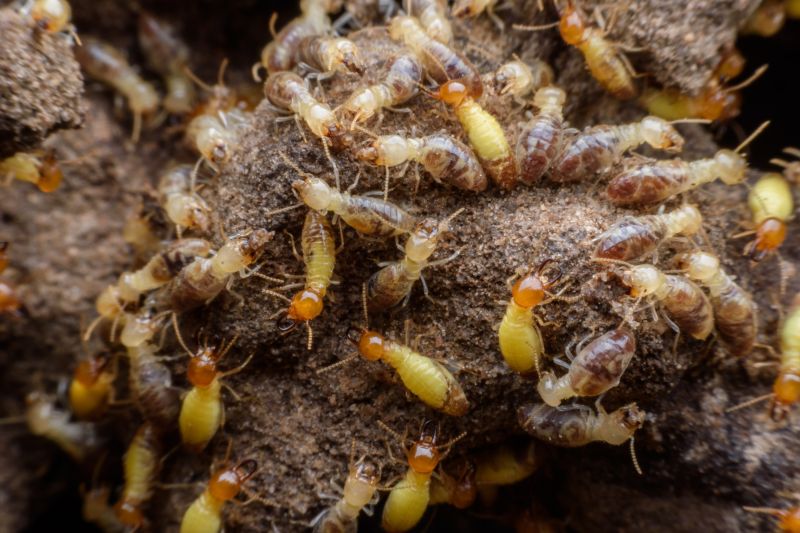
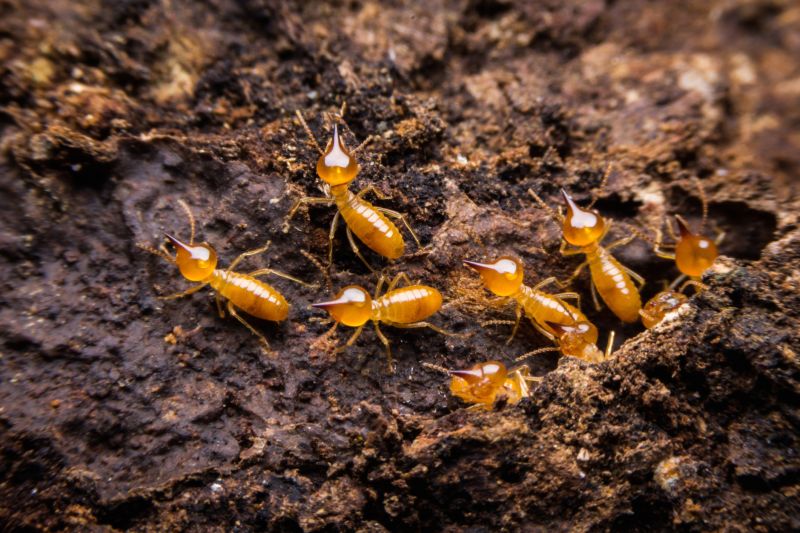
Termite inspection services involve a thorough examination of a property to identify the presence of termites or signs of previous infestations. Trained service providers typically inspect both the interior and exterior of the building, paying close attention to areas where termites are most likely to hide, such as wood structures, foundation cracks, crawl spaces, and areas with excess moisture. The goal is to detect early signs of termite activity before significant damage occurs, helping homeowners understand whether their property is at risk or if active infestations are present.
These inspections are essential for addressing common problems associated with termites, including structural damage, weakened wood, and compromised building foundations. Termites can cause extensive harm over time, often going unnoticed until visible damage appears. By catching infestations early through regular inspections, property owners can prevent costly repairs and maintain the integrity of their homes. Service providers can also provide guidance on preventative measures to reduce the likelihood of future termite issues.
Properties that typically benefit from termite inspections include both new and existing homes, especially those located in areas with a history of termite activity. Residential properties such as single-family houses, townhomes, and condominiums are common candidates for inspections. Commercial buildings, including warehouses, office complexes, and multi-unit dwellings, may also require regular termite checks to protect their investments. Any property with wooden components or proximity to wooded areas can be a good candidate for a termite inspection to ensure early detection and peace of mind.
Homeowners should consider scheduling a termite inspection if they notice signs such as discarded wings, mud tubes along walls or foundation, or hollow-sounding wood. Regular inspections are also recommended as part of ongoing property maintenance, especially in regions where termites are prevalent. Engaging with experienced local contractors ensures a comprehensive assessment, helping to identify potential issues before they escalate into major problems. Contacting qualified service providers can help maintain the safety and value of a property over time.
The overview below groups typical Termite Inspection Service projects into broad ranges so you can see how smaller, mid-sized, and larger jobs often compare in your area.
In many markets, a large share of routine jobs stays in the lower and middle ranges, while only a smaller percentage of projects moves into the highest bands when the work is more complex or site conditions are harder than average.
Smaller Repairs - Typical costs for minor termite inspections on smaller properties usually range from $100 to $300. Many routine inspections fall within this band, with fewer projects reaching higher prices for additional services or complex cases.
Standard Inspection Services - For most residential properties, local contractors often charge between $250 and $600. This range covers standard inspections and is the most common cost band for typical homes.
Extensive or Multiple-Unit Inspections - Larger properties or multiple-unit buildings can cost between $600 and $1,200, depending on size and complexity. Many projects in this range are for larger homes or commercial properties.
Full Treatment or Structural Replacement - Projects involving full termite treatment or structural replacement can exceed $2,000, with some larger, more complex projects reaching $5,000 or more. These are less common and usually involve significant damage or extensive work.
Actual totals will depend on details like access to the work area, the scope of the project, and the materials selected, so use these as general starting points rather than exact figures.
Wood Infestation Inspection - professionals assess wooden structures for signs of pests similar to termites, requiring careful examination and specialized tools.
Structural Pest Evaluation - contractors evaluate buildings for pest activity that can compromise integrity, utilizing inspection techniques comparable to termite assessments.
Moisture and Damage Detection - service providers identify moisture issues that attract pests, employing planning and tools aligned with termite inspection processes.
Home Inspection Services - general inspectors often include pest and wood damage assessments, sharing skills in identifying pest-related issues within structures.
Fungus and Mold Inspection - professionals detect fungal growth that can be associated with pest infestations, using similar inspection methods as termite detection.
Pre-Construction Pest Prevention - contractors prepare properties to prevent pest entry, requiring planning and knowledge akin to termite prevention strategies.

When comparing service providers for termite inspection, it’s important to consider their experience with similar projects. Homeowners should look for local contractors who have a proven track record in conducting thorough termite inspections in residential settings comparable to their own. An experienced professional will be familiar with common signs of infestation, local termite species, and the most effective inspection techniques, which can contribute to a more comprehensive evaluation of the property.
Clear written expectations are also essential when choosing a termite inspection service. Homeowners should seek out providers who communicate their process, scope, and any necessary preparations in straightforward, written terms. Having a detailed understanding of what the inspection entails helps ensure that both parties are aligned and that the homeowner knows what to expect from the service. This clarity can prevent misunderstandings and contribute to a smoother, more transparent experience.
Reputable references and good communication are key indicators of a reliable local contractor. Pros who can provide references from past clients or showcase their experience through verified reputation sources can offer confidence in their professionalism. Additionally, service providers who are responsive and willing to address questions or concerns demonstrate a commitment to clear communication. While the site introduces homeowners to local options, it’s important to remember that the actual work is handled by the chosen service providers, making it crucial to select those who are transparent, experienced, and communicative.
Property owners use Termite Inspection Service services for practical projects around their homes and businesses. This guide focuses on everyday jobs and straightforward project options.
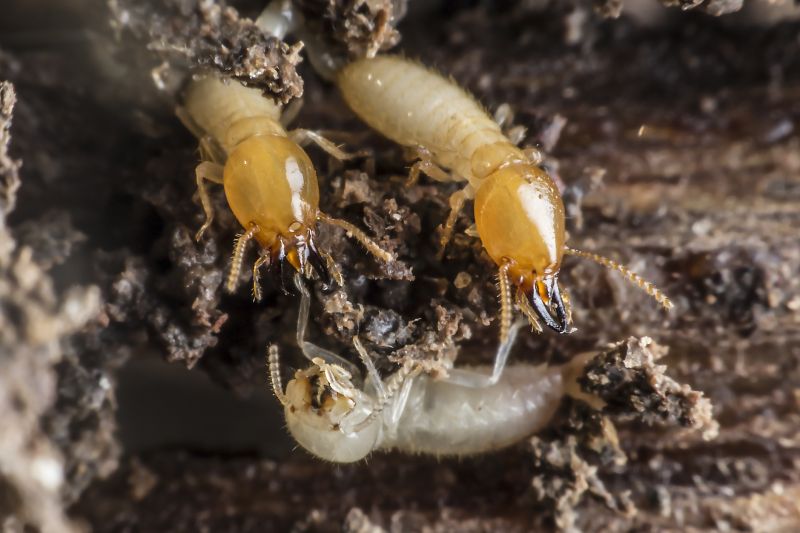
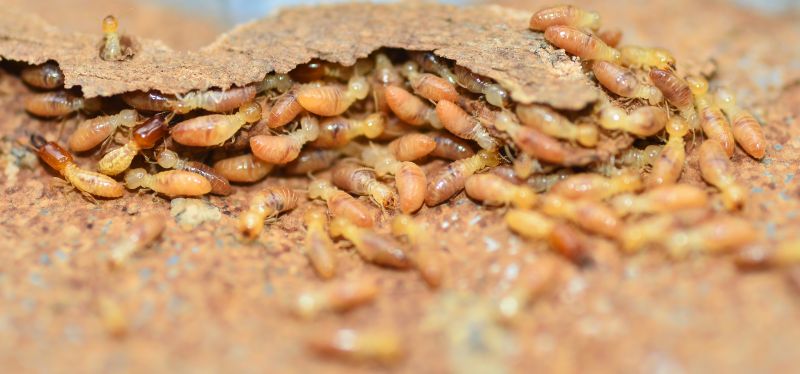
Termite inspection services are often sought after when property owners notice signs of potential infestation, such as discarded wings, mud tubes along foundation walls, or wood that sounds hollow when tapped. Homebuyers may also request inspections before purchasing a property to ensure there are no hidden termite issues that could lead to costly repairs later. Additionally, homeowners who have recently experienced moisture problems or have older structures might look for professional inspections to assess the risk of termite activity and prevent damage from going unnoticed.
Local contractors who specialize in termite inspections are equipped to evaluate properties for signs of infestation and provide recommendations for treatment or prevention. Property owners might contact these service providers if they want to protect their investment, maintain the structural integrity of their homes, or simply gain peace of mind. Whether for routine check-ups or in response to specific concerns, these professionals offer the expertise needed to identify and address termite-related issues early on.
What is involved in a termite inspection? A termite inspection typically includes a thorough examination of the property’s foundation, crawl spaces, and other vulnerable areas to identify signs of termite activity or damage.
Why should I schedule a termite inspection? Regular termite inspections can help detect infestations early, preventing extensive damage and ensuring the integrity of the property is maintained.
How do local contractors perform termite inspections? Local service providers usually inspect accessible areas for signs of termites, such as mud tubes, damaged wood, or discarded wings, and provide a detailed report of their findings.
What are common signs of a termite infestation? Common signs include hollow-sounding wood, mud tubes on walls or foundations, discarded wings, and visible damage to wooden structures.
Can a termite inspection be part of a home maintenance routine? Yes, scheduling periodic inspections is a proactive approach to maintain the property's condition and catch any potential termite issues early.
Preventative Maintenance - Regular termite inspections can help property owners identify early signs of infestation before significant damage occurs.
Property Purchase Checks - Homebuyers can schedule inspections to ensure a property is free of termites before finalizing a purchase.
Post-Construction Assessments - New construction projects can benefit from inspections to confirm that the building is protected against termite activity.
Damage Repair Planning - Homeowners noticing signs of termite activity can arrange for local contractors to assess damage and plan repairs.
If you are thinking about Termite Inspection Service for a property, this guide is meant to help you understand the work, the typical project types, and how different options might fit your plans.
When you are ready, you can use the quote form on this page to share a few details about your project. From there, local pros can review the basics and respond with options that match what you have in mind.